


Hey there!
So you’re running a prop firm or thinking about launching one? Wondering about your SEO for Prop firms strategy?
Let me guess, you’ve got great challenge programs, solid funding models, excellent payout split, but you’re scratching your head, wondering why traders aren’t flooding to your site. Yeah, I’ve seen this story play out dozens of times.
Look, the prop trading space has exploded in the last few years. When I started working with prop firms back in 2019, there were maybe 20 serious players.
Now?
There are literally hundreds of you fighting for the same traders’ attention. And here’s the kicker: most prop firms are making the exact same SEO mistakes.
So grab a coffee, and let’s talk about how to actually get your firm in front of traders who are ready to sign up for challenges.
Who Are You Really Competing Against? #1 Step SEO for Prop Firms
Before we get into tactics, you need to understand something that might sting a little. You’re not just competing against other prop firms. You’re competing against:
- Massive review sites that have been around for years.
- YouTube traders with loyal followings.
- Affiliate marketers who’ve built entire businesses around prop firm comparisons.
- Reddit threads and Discord communities where traders share their experiences.
These folks have something you probably don’t: established domain authority and thousands of backlinks.
Does that mean you’re screwed?
Absolutely not.
But it means you need to be smarter about your approach.
Keyword Research for Prop Firms: Stop Going After the Obvious Stuff
Here’s where most prop firms blow it right out of the gate. They optimize for terms like “best prop firm” or “forex prop firm.”
Know what you’re doing when you target those?
You’re bringing a knife to a gunship fight.
Those high-volume, ultra-competitive keywords are dominated by review sites with domain ratings in the 60s and 70s. You, with your brand new domain or even a year-old site, aren’t ranking for those anytime soon.
Sorry, but someone needed to tell you.
Instead, let’s talk about the keywords that’ll actually move the needle:
Focus on specific challenge types and trader pain points. Think about searches like “prop firm with no time limit,” “prop firm that allows news trading,” or “cheapest $100k challenge.” These are lower volume, sure, but the traders searching for these terms are further down the funnel. They know what they want, and if you offer it, that’s a conversion waiting to happen.
Location-based searches are golden. If you’re accepting traders from specific regions, optimize for “prop firm for UK traders” or “prop firms that accept Nigerian traders.” Many firms ignore geo-specific content, which is insane because location matters massively in this industry due to regulations and payout methods.
Long-tail questions are your friend. Traders are searching things like “can you trade prop firm challenges part-time” or “what happens if you fail a prop firm challenge.” Create content that actually answers these questions comprehensively. Not 300-word fluff pieces. I’m talking 1,500-2,000 words of genuine, helpful information.
Your Website Structure: It’s Probably a Mess
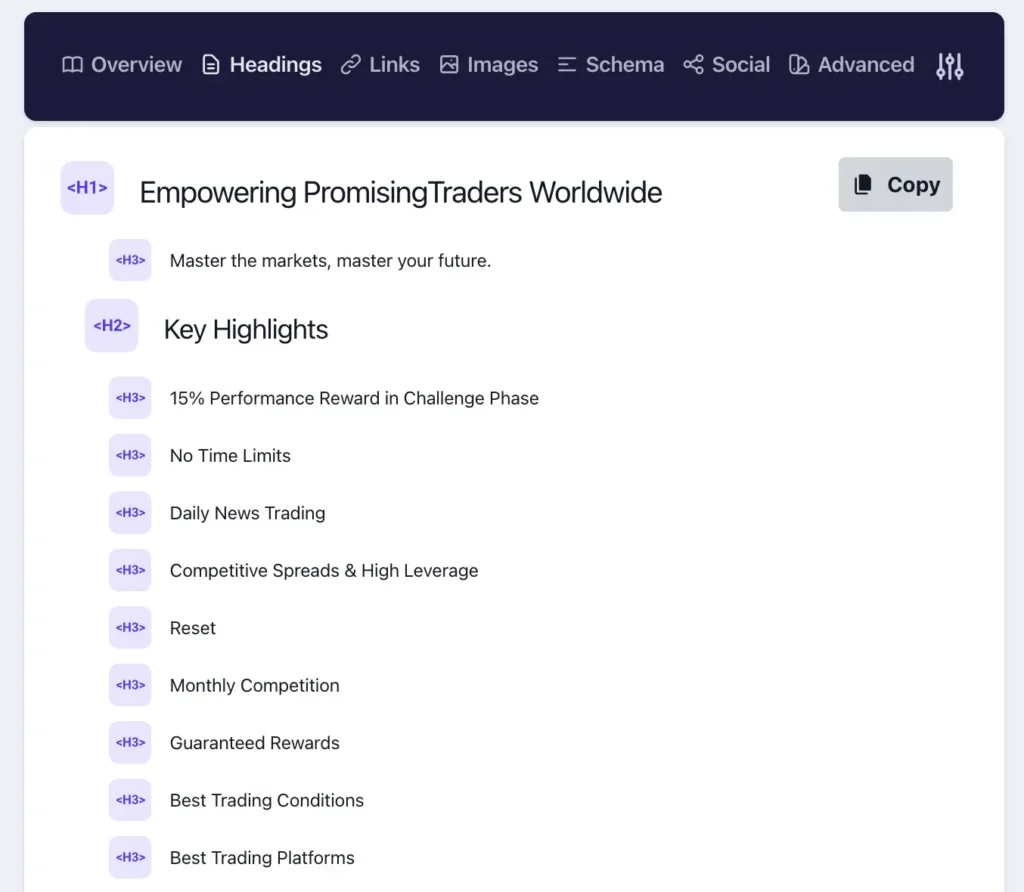
Let me be blunt—I’ve audited maybe 40 prop firm websites in the past two years, and about 35 of them had structural issues that were absolutely killing their Prop Firm SEO. Here’s what I typically see:
Everything is on the homepage. Your challenge details, pricing, rules, trader testimonials, and FAQ—all crammed onto one endless scrolling page. Google doesn’t know what to make of that. You need distinct, focused pages. One page for each challenge type. Separate pages for your payout structure, trading rules, and platform details.
Internal linking is nonexistent. You should be linking from your blog posts to your challenge pages, from your FAQ to relevant rule pages, from your trader success stories to sign-up pages. Create a web of relevant connections that helps both users and search engines understand your site’s structure.
Your URL structure is a disaster. I’ve seen URLs like “yourfirm.com/page?id=1234” or “yourfirm.com/new-page-copy-3.” Come on. Use descriptive, keyword-rich URLs like “yourfirm.com/50k-challenge-details” or “yourfirm.com/trader-rules-swing-trading.”
Prop Firms Content Strategy: Beyond the Boring Blog
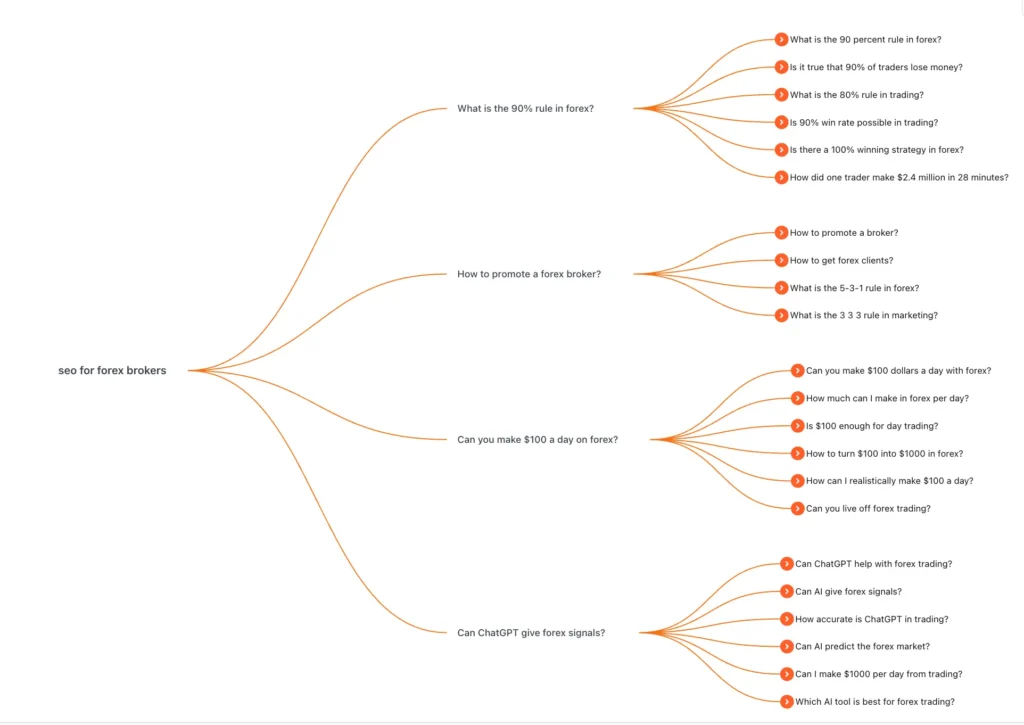
Everyone tells you to start a blog. Sure, fine. But let’s talk about content that actually works for prop firms:
Comparison pages are powerful—if done right. Create honest comparisons between your firm and competitors. Yes, I was honest. Don’t just trash the competition or claim you’re better at everything. Traders aren’t stupid. They’re comparing anyway. By hosting that comparison on your site with genuine pros and cons, you control the narrative and capture that search traffic. Plus, it builds trust when you’re transparent about where you might not be the perfect fit.
Trading education content positions you as an authority. But here’s the thing—don’t regurgitate basic stuff about support and resistance levels. Every prop firm is doing that. Go deeper. Talk about specific strategies that work well within prop firm rules.
Discuss how traders should approach scaling plans. Create content about psychology specific to trading with funded accounts, where drawdown rules create unique pressure.
Trader success stories need to be detailed, not puff pieces. Instead of “John made $15,000 in his first month,” give us the full story. What was John’s strategy? How did he manage his emotions during drawdown periods? What specific rules did he struggle with? Make it a case study that actually teaches something while showcasing your firm.
Create tools and calculators. A profit calculator, a position size calculator specific to your rules, a challenge cost vs. potential return analyzer—these are link magnets, and they’re genuinely useful. Plus, they keep traders on your site longer, which sends positive signals to Google.
Technical SEO: The Unsexy Stuff That Matters
Your site speed probably sucks. I’m not trying to be mean, but most prop firm sites load like they’re running on a potato. You’ve got massive uncompressed images, you’re loading every JavaScript library under the sun, and you haven’t implemented caching properly.
Run your site through PageSpeed Insights right now. I’ll wait. Back? Yeah, thought so. Anything under 80 on mobile needs immediate attention. Compress those images, implement lazy loading, use a CDN, and minify your code. Traders are impatient—if your site takes more than three seconds to load, a chunk of them are bouncing before they even see your offers.
Mobile optimization is non-negotiable. More than 60% of prop firm searches happen on mobile devices. If your challenge comparison tables don’t display properly on a phone, or if your sign-up form is a nightmare to complete on mobile, you’re hemorrhaging potential customers.
SSL certificate is table stakes. You’re asking people to input personal information and payment details. If you don’t have HTTPS, you’re not ranking well, period. Google has been clear about this for years.
Structured data markup is your secret weapon. Implement a schema for your reviews, FAQ sections, and pricing. This helps you get rich snippets in search results, those star ratings, price ranges, and FAQ accordions that appear right in Google. They increase click-through rates dramatically.
Link Building: The Part Everyone Hates
Yeah, getting backlinks is hard. It’s tedious, it often feels like you’re begging, and most outreach gets ignored. But it’s still one of the top three ranking factors, so we’ve got to talk about it.
Forget about buying links from random websites. I know there are services selling “high-quality backlinks” for proprietary firms. It’s mostly garbage. Google is pretty good at detecting link schemes, and the penalty isn’t worth the temporary boost.
Here’s what actually works:
Get listed on legitimate prop firm directories and review sites. Sites like Trustpilot, PropFirmMatch, and others. Even if they’re nofollow links, they drive traffic and build brand awareness. Plus, some convert to dofollow over time as you build legitimacy.
Create shareable research or reports. Survey your funded traders about their strategies, compile the data, and publish findings. “2025 Prop Firm Trader Survey: What 500 Funded Traders Revealed About Their Strategies” is something trading blogs and YouTube channels will link to and reference.
Build relationships with trading educators and influencers. Don’t just ask for links or promotions. Offer value first. Could you give their audience an exclusive discount code? Could you sponsor an educational webinar? Could you provide free challenges to their community for review? Make it mutually beneficial.
Guest posting on trading blogs works—if you’re strategic. Don’t pitch generic articles about “5 Trading Tips.” Offer something specific and valuable that their audience genuinely wants. And make sure the blog is actually relevant and has real traffic.
Leverage your traders’ success. When traders do well with your firm, ask if they’d be willing to share their story. If they have a blog or social media following, that’s a potential backlink and testimonial rolled into one.
Local SEO: Are You Leaving Money on the Table?
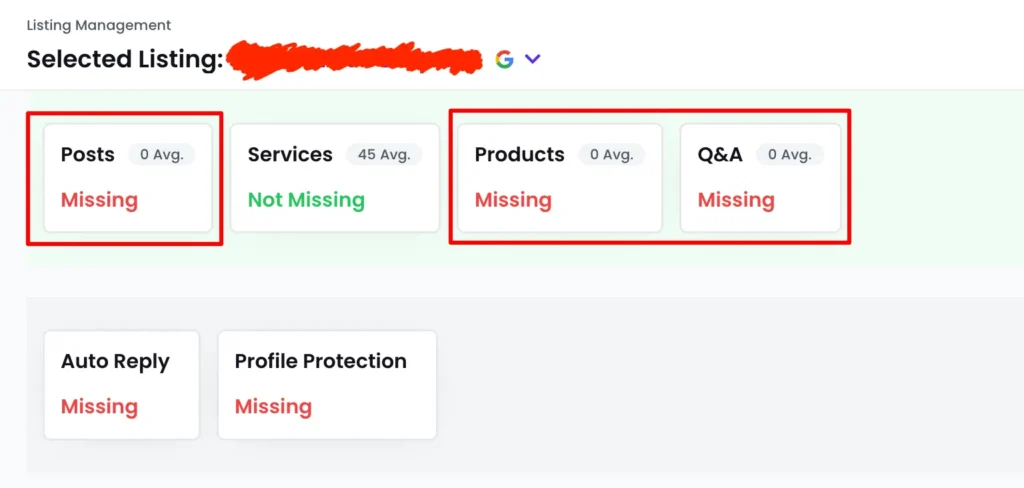
If you have a physical office, even if it’s just for company registration purposes, claim your Google Business Profile. I know, I know, you’re operating online globally. But here’s the thing: “prop trading firm near me” or “prop firm in [city]” gets searched more than you’d think, especially by serious traders who want to know there’s a real company behind the website.
Fill out your profile completely. Add photos of your office or team. Post updates about new challenge types or promotions. Respond to reviews (we’ll get to those in a second). This costs you nothing and can drive local awareness and links.
Review Management for Prop Firms: Your Reputation is Your SEO

Here’s something that keeps me up at night on behalf of my prop firm clients: online reviews directly impact your search visibility and conversion rates. Traders trust other traders, and they’re checking Trustpilot, Reddit, and ForexPeaceArmy before they sign up.
Actively encourage satisfied traders to leave reviews. After someone gets their first payout, that’s the perfect time to ask. Make it easy, send them direct links to your profiles on review platforms.
Respond to every review, especially negative ones. I’ve seen prop firms ignore scathing reviews, and it kills their credibility. Even if the review is unfair, responding professionally shows potential customers that you’re engaged and that you care. Sometimes your response to a negative review sells your firm better than ten positive reviews.
Don’t fake reviews or incentivize them improperly. Google and review platforms are getting better at detecting this. It’s not worth the risk. If you get caught, the reputational damage is severe.
Content Freshness: You Can’t Just Set It and Forget It
Google loves fresh content. If your last blog post was from six months ago, that’s a problem. The prop firm industry moves fast, payout structures change, new challenge types emerge, and regulations shift. Your real content needs to reflect that you’re current and active.
Update your old content regularly. That blog post from 2023 about “Best Trading Platforms for Prop Firms”? It probably needs refreshing. Google rewards updated content, and you can even change the publish date to reflect the update.
Cover industry news and trends. When a major prop firm changes its rules or a new regulation affects the industry, be among the first to publish thoughtful commentary on it. This positions you as a current, authoritative voice.
Maintain an active FAQ section. As you get common questions from traders, add them to your FAQ. This serves your users and gives you an excuse to regularly update a key page on your site.
The Trader’s Journey: Optimize for Intent
Let’s think about how a real trader actually discovers and chooses a prop firm:
- Awareness stage: They’re searching things like “what is prop firm trading” or “can you make money with prop firms.“
- Consideration stage: Now they’re comparing firms, looking at reviews, researching specific challenge structures
- Decision stage: They’re ready to sign up but might be searching for discount codes or checking final details about rules
You need content for all three stages. Most prop firms only optimize for the decision stage (their challenge pages), maybe throw up some comparison content for consideration, but completely ignore awareness stage content.
Create comprehensive guides for beginners. Explain how prop firm trading works. Discuss whether it’s right for different types of traders. This brings people into your ecosystem early, builds trust, and makes them more likely to choose you when they’re ready to purchase a challenge.
Analytics: Know What’s Actually Working
I can’t tell you how many prop firms I’ve worked with that have no idea which pages drive conversions, which blog posts generate traffic, or where their visitors are dropping off.
Set up Google Analytics 4 properly. Track not just pageviews but events: challenge page views, rule page views, FAQ interactions, and obviously challenge purchases. Set up conversion funnels so you can see where people are abandoning the purchase process.
Use Google Search Console religiously. This shows you exactly which keywords you’re ranking for, your average positions, and click-through rates. It’s free data gold. If you see queries where you’re ranking positions 6-15, those are your opportunities—you’re close to page one, and small optimizations can push you over.
Install heatmapping software like Hotjar or Microsoft Clarity. Watch session recordings of how users interact with your site. I’ve discovered conversion-killing issues this way that would never show up in standard analytics: buttons that don’t look clickable, content that’s confusing, and mobile display problems.
Common Pitfalls: Learn From Others’ Mistakes
Let me rapid-fire some mistakes I see constantly:
Over-optimization. Stuffing “prop firm” into every sentence makes your content unreadable and looks spammy to Google. Write naturally.
Ignoring user experience in favor of SEO. Your primary job is to create a site that helps traders. SEO should enhance that, not override it.
Copying competitor content. Google is smart enough to detect duplicate or very similar content. Even if you’re covering the same topics, bring your unique perspective.
Neglecting your brand name optimization. Make sure when someone searches for your firm name, you’re dominating the first page. This means optimized social profiles, review site listings, and press releases when appropriate.
Not monitoring your backlink profile. Use tools like Ahrefs or SEMrush to keep an eye on who’s linking to you. If you start getting spammy backlinks (it happens), disavow them.
Forgetting about video. YouTube is the second-largest search engine. Creating video content about your firm, trading tips, or trader testimonials can drive significant traffic, trust signals, and build online presence in ways text can’t.
The Long Game: Patience is Required
Here’s the thing nobody wants to hear: SEO for prop firms takes time. You’re not going to publish a blog post and rank #1 next week. You’re probably not going to rank on page one next month unless you’re targeting super-niche keywords.
Building domain authority, earning quality backlinks, creating comprehensive content—this is a 6-12 month process minimum before you see significant results. But here’s why it’s worth it:
Once you rank well, that traffic is basically free. Unlike paid ads, where you stop showing up the moment you stop paying, organic traffic keeps coming. I’ve got clients who published comprehensive guides two years ago that still drive 30% of their challenge sign-ups.
The prop firms that are winning in search right now? They started taking SEO seriously 18-24 months ago. They committed to consistent content creation, focused on user experience, and they built relationships in the trading community.
Most Common Queries Popping in Your Head
How long does SEO take for Prop Firms?
Most prop firms see initial rankings in 3-4 months, with significant traffic growth typically occurring within 6-12 months of consistent effort.
Why do Prop Firms need Specialized SEO agencies?
Prop firm SEO agencies understand trader psychology, industry regulations, compliance requirements, and competitive landscape better than generalist SEO providers.
How much does a Prop firm SEO cost?
Professional prop firm SEO agencies typically charge $2,000-$8,000 monthly, depending on competition, content needs, and campaign scope and goals.
Can Paid ads replace SEO for Prop Firms?
Paid ads deliver immediate traffic but stop when the budget ends. SEO builds sustainable, long-term organic traffic that compounds over time.
What ROI can Prop Firms expect from SEO?
Well-executed SEO typically delivers 3-5x ROI within 12 months through increased organic challenge sign-ups and reduced customer acquisition costs.
It’s About Trust, Not Tricks
Look, at the end of the day, SEO isn’t about gaming Google. The best SEO strategy is to build a prop firm that traders genuinely love, create content that actually helps them, and build a site that provides the information they’re searching for.
Google’s algorithm gets smarter every year. The gimmicks and shortcuts that might have worked in 2015 don’t work now. What works is genuine value, expertise, authority, and trustworthiness—Google literally calls this E-E-A-T (Experience, Expertise, Authoritativeness, Trustworthiness).
Be the prop firm that’s transparent about your rules, quick with payouts, supportive of your traders, and generous with helpful education. Then, tell that story well across your website, optimize it properly for search, and promote it through legitimate channels.
That’s how you win at SEO in the prop firm space. It’s not sexy, it’s not quick, but it works.
Now, if you’ll excuse me, I need to analyze why one of my client’s “prop firm drawdown rules” articles suddenly dropped from position 4 to position 11. The work never stops.
Good luck out there, and may your funded traders be profitable and your rankings consistently climb.